Builder · Oklahoma City, Oklahoma
Austin Tunnell
Austin Tunnell could've stayed in accounting. Instead, the former KPMG CPA joined the Peace Corps, returned to Oklahoma, and spent two years apprenticing with a master mason and timber framer. He eventually founded Building Culture, a company that designs, constructs, and develops the kinds of buildings he wanted to see more of. It's an unlikely career path, and he's made it unusually easy for other people to learn from.
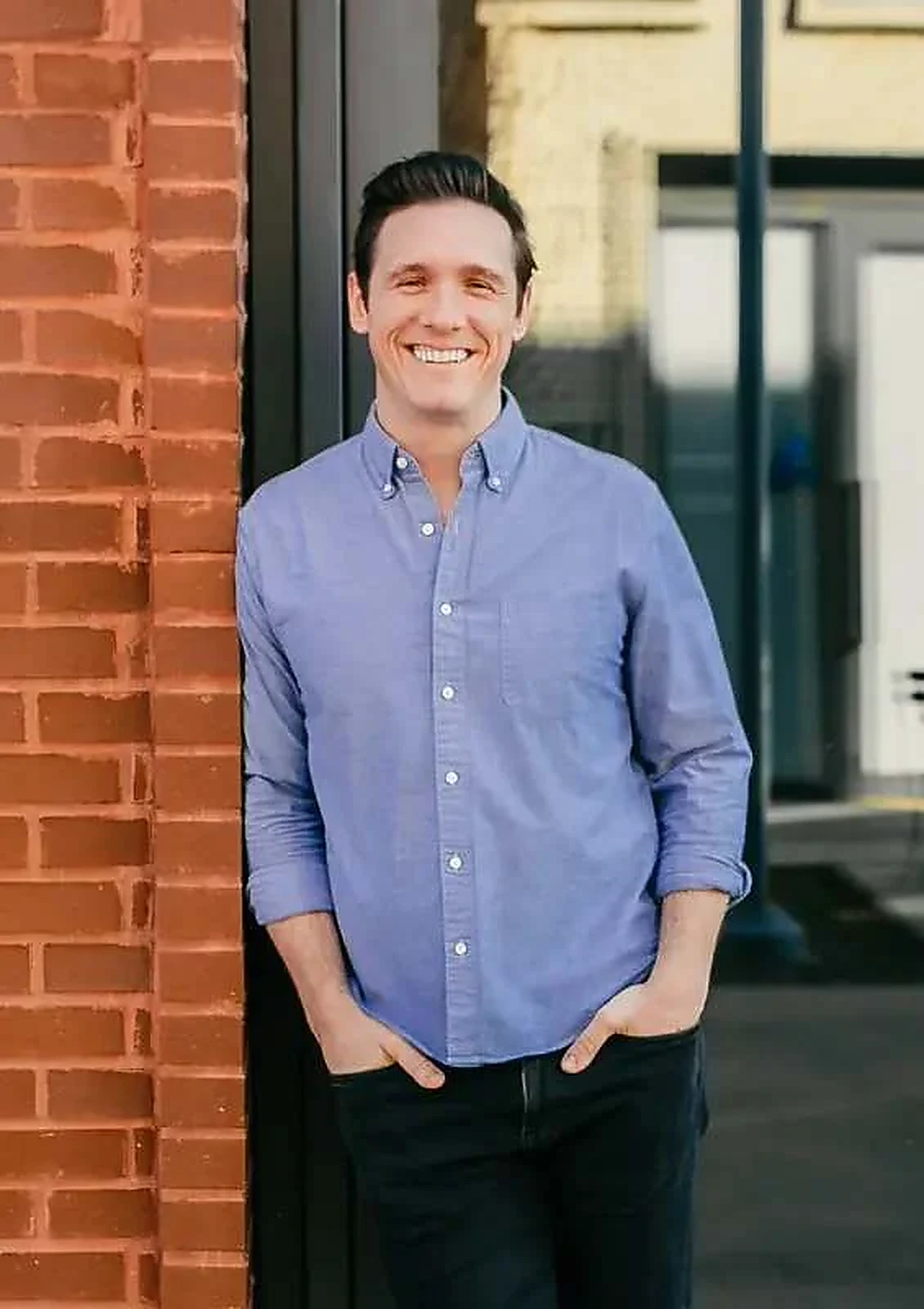
There's a difference between admiring traditional architecture and deciding to learn how to build it. Tunnell chose the second route. He spent years working with his hands before taking on the responsibilities of running a building company. That experience still informs Building Culture's approach: architects, builders, and developers work together, and the materials and construction methods are part of the design from the beginning.
His ambitions have grown well beyond individual buildings. In downtown Edmond, Tunnell is developing Townsend, a roughly $30 million mixed-use project with homes, workspaces, and a series of courtyards. Its first phase is under construction. The project gives him a chance to shape a larger piece of the city, with the same attention to craftsmanship that first drew him to masonry.
Just as interesting is how much of the process he shares. Through The Building Culture Podcast, his Playbook, and hands-on workshops, Tunnell talks openly about everything from learning a trade to putting together a development. He's interested in helping more people become capable builders, and he gives them something more useful than a polished portfolio: a view into the decisions, skills, and people behind the work.
Follow Tunnell and you'll see someone still figuring out how far he can take an idea that began with an apprenticeship. His projects are getting bigger, but the invitation to learn alongside him remains part of what makes his work so appealing.
Key facts
- Founder and CEO of Building Culture, based in Oklahoma City.
- Former KPMG CPA; served two years in the Peace Corps.
- Completed a two-year apprenticeship in masonry and timber framing.
- Sponsor of Townsend, an approximately $30 million mixed-use development in downtown Edmond.
- Partner on Wren, a proposed 34-unit rental neighborhood.
- Hosts The Building Culture Podcast and writes the Building Culture Playbook.